How Amazon Prime Turned Fast Delivery Into a Customer Experience Strategy
 Connecto Studios2 Oct 2026 3 min read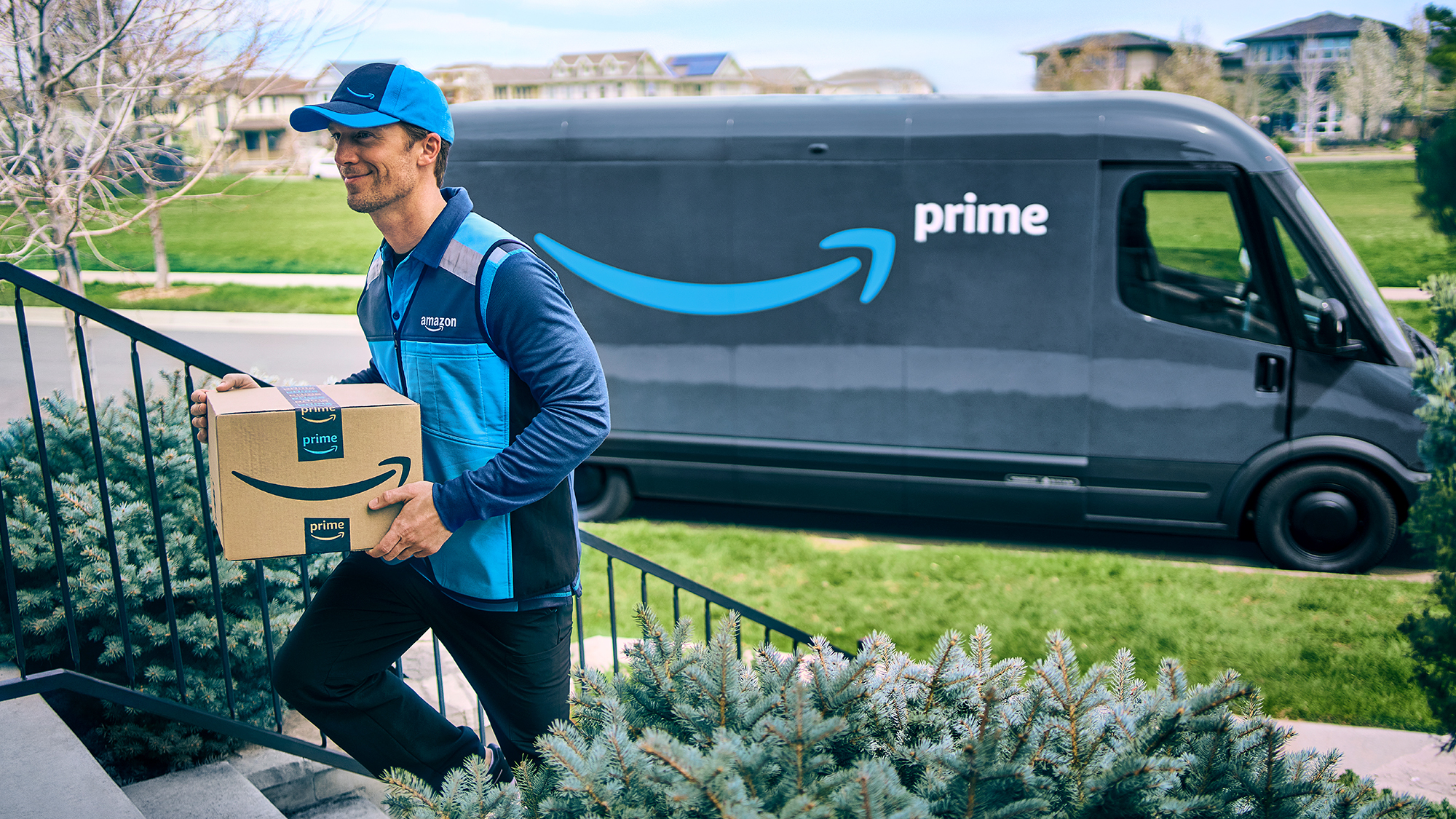
In short
Amazon Prime didn't just promise faster shipping — it removed a frustrating decision from every purchase. Here's what that teaches brands about customer experience as strategy.
How Amazon Prime Turned Fast Delivery Into a Customer Experience Strategy
When Amazon launched Prime in 2005, the pitch was simple: pay an annual fee, get unlimited two-day shipping. At the time, that was a real shift in how people shopped online. Today, fast delivery is something customers just expect — and that shift in expectations is the real branding lesson.
Prime Solved a Real Problem
Before Prime, every purchase came with a small, repeated calculation: pay more for faster shipping, wait several days, or add more to the cart to qualify for free shipping. Prime removed that friction entirely. A strong customer experience doesn't always mean adding features — sometimes it means removing a frustrating decision. Amazon understood that shipping wasn't just logistics. It was part of the shopping experience itself.
Convenience Became the Brand
Amazon wasn't really promising faster packages — it was promising convenience. And once customers associated that ease with the Amazon name, it stopped being a feature and became part of the brand. This is why customer experience matters so much in branding: people don't just remember what a company says about itself. They remember how easy, fast, or frustrating it felt to deal with that company.

It Didn't Stop at Shipping
If Prime had stayed a shipping perk, its value would have plateaued. Instead, Amazon kept expanding it — Prime Video, Prime Day, and more — shifting the pitch from "pay for faster delivery" to "pay for a growing bundle of convenience." That's the difference between a one-time feature and a loyalty engine: membership → convenience → frequent use → perceived value → loyalty. Customers don't need another discount. They need a reason to keep choosing you.
What Brands Can Take From This
- Solve a real problem first: Prime began by fixing a genuine shipping frustration, not a random feature.
- Make convenience part of the brand: If people consistently associate you with an easier experience, that becomes your identity.
- Don't stop at the first win: Amazon kept building on Prime instead of letting it go stagnant.
- Every touchpoint is marketing: Your website, delivery, support, and checkout all say something about your brand — whether you've designed them to or not.
- Amazon Prime started with fast shipping. What it actually built was convenience — and that's often worth more than a louder marketing campaign.